

Snow
15.10.2026
Why choose a private ski/snowboard lesson in Puy-Saint-Vincent?
Whether you want to discover skiing, improve your snowboarding skills, or regain your confidence after a break, personalized instr...
Read more
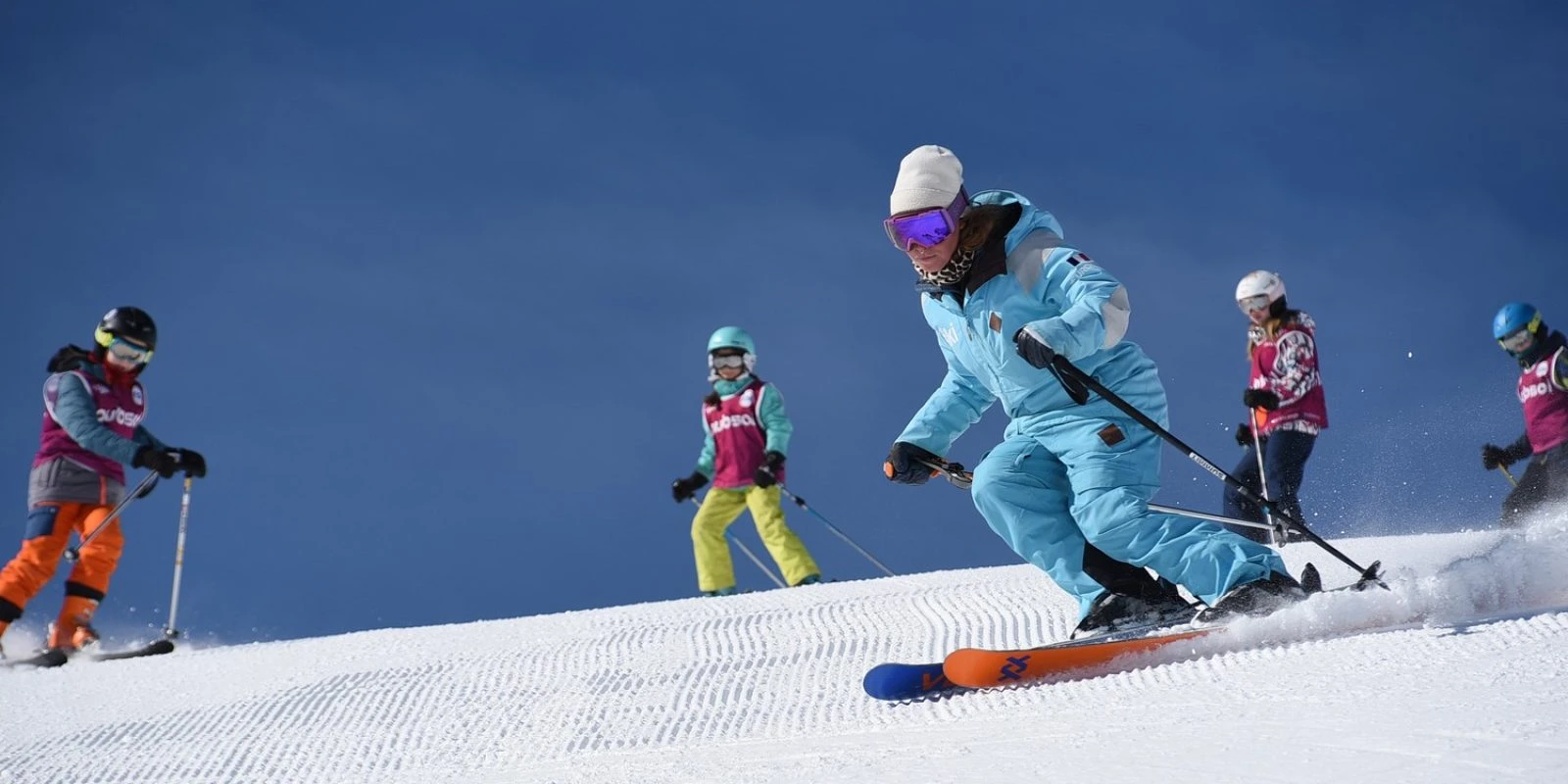
Vous préparez votre premier séjour au ski à Puy Saint Vincent ? Quelques conseils vous aideront à découvrir la glisse sereinement. Pour débuter, privilégiez un équipement adapté, un terrain accessible et un accompagnement professionnel. Ensuite, avancez progressivement, sans chercher à suivre les skieurs expérimentés.
At ESi Puy Saint Vincent, our instructors guide beginners through their first steps on the snow. Here are ten tips to help you prepare for your sessions and build confidence on the slopes.
Learning with an instructor helps you build a solid foundation from your very first session. You will learn the correct techniques through exercises tailored to your level. When signing up, be precise about your experience. If you have never skied before, choose a beginner’s course. While experience with cycling, rollerblading, or ice skating can be helpful, it is no substitute for learning proper skiing techniques. At ESi Puy Saint Vincent, our group lessons are limited to a maximum of eight students, allowing our instructors to adapt their guidance to the group’s specific level.
Would you prefer one-on-one instruction? A private lesson allows you to focus on your individual needs and address any concerns or anxieties. Being in the right group ensures you can progress steadily without skipping essential steps.
When starting to ski at Puy Saint Vincent, choose equipment that is easy to handle. Let the rental shop staff know that you are a beginner, and provide them with your accurate height, weight, and experience level.
The professional will select the right skis for you and adjust the bindings—never attempt to change these settings yourself. Pay special attention to your ski boots; they should provide support without causing significant pain. When trying them on, bend your knees and point out any pressure points. If you feel persistent discomfort, ask for an adjustment. Wear only one pair of ski-specific socks, ensure there are no wrinkles, and keep your pant legs outside of your boots. Finally, ask your instructor whether or not you will need ski poles for your first session.
Prepare a comfortable outfit for skiing
Wearing the right gear helps you stay ready to learn. You need to be able to move freely without being bothered by the cold or dampness.
Opt for three complementary layers:
Complete your gear with ski pants and waterproof gloves. Also, choose goggles suited to the current light conditions. Wear a properly fitted helmet; check that it is secure and fasten the chin strap before you start skiing. Remember to bring sun protection and lip balm—snow reflects the sun’s rays, even in cold weather.
Check the weather forecast before heading out so you can adjust your clothing to the expected conditions.
Being well-organized ensures you don’t have to rush to the start of your lesson. Check your scheduled time and meeting point, and map out the route from your accommodation. Pick up your equipment well in advance—this gives you time to try on your boots and make any necessary adjustments. You will also need a lift pass to use the ski lifts; ask your ski school which type of pass is required for your lesson. Don’t automatically buy the same pass as the people you are traveling with—your beginner program might require a different level of access. Review the instructions provided at the time of booking, and if you have any questions, reach out to the team before you arrive. This way, you can focus entirely on your first moments on the snow.
The terrain you choose has a direct impact on your confidence. A slope that is too challenging can cause you to tense up and make it harder to move naturally. Your instructor will select an area suited to your skill level, taking into account snow conditions and how busy the slopes are. For your first few runs, look for a gentle slope with plenty of open space. Don’t follow your companions just for the sake of staying together; the runs they usually take may be beyond your current ability. At Puy Saint Vincent, ask for advice before exploring a new area. Keep in mind that the color-coding of a slope serves only as a general guide. However, visibility and snow conditions can alter the level of difficulty. Repeating an exercise on easy terrain helps to consolidate what you have learned.
Controlling your speed is a priority when starting to ski. Before heading down a slope, familiarize yourself with your equipment. Learn how to put on and take off your skis, and how to move around on flat ground.
Your instructor will then guide you through your first slides. You will gradually discover how to use the “snowplow” technique and change direction. Focus first on intentionally slowing down and coming to a stop within a designated area. Do not speed up just to imitate other skiers; maintain a pace that allows you to stay alert and responsive. Work on one instruction at a time—this will make it easier to grasp the sensations and the corrections being suggested. Once you have mastered these basics, your instructor can introduce more advanced exercises.
Beginners often look down at their skis, but this reflex limits their awareness of the terrain. Instead, direct your gaze toward where you want to go; this will help you better anticipate your path and the movements of others. Keep your legs supple and slightly bent, and position your hands in front of you without tensing your shoulders. When a slope feels intimidating, you might have a tendency to lean your torso backward—a position that often makes it harder to control your skis. Your instructor will help you regain better balance and can suggest exercises tailored to the specific challenges you are facing. Avoid taking advice from friends or family during your lesson; focus solely on the instructions provided by your instructor.
Your initial sessions place significant demands on both your muscles and your concentration, so be sure to allow yourself time to recover. Drink fluids regularly and take time to eat between activities. Also, adjust the duration of your practice; fatigue can make your movements less precise and may increase your apprehension when facing a challenge.
If you find yourself making repeated mistakes, take a break. Afterward, you can decide whether to continue or call it a day. Following your lesson, stick to practicing exercises you have already mastered on terrain that is appropriate for your skill level. For children, alternate between skiing, resting, and playing in the snow. Their enjoyment matters more than the number of runs they complete. If they finish the day wanting to come back, that in itself is a great success.
<
Getting a good start in skiing also means learning how to share the slopes. Adjust your speed according to your abilities and the conditions. Slow down when visibility decreases or the slopes become crowded. If you come up behind another skier, choose a path that ensures their safety, and leave them plenty of room to turn. Before setting off again, look both uphill and downhill; only move forward when you can do so without getting in anyone else’s way.
When you want to stop, choose a visible spot on the side of the slope. Avoid narrow passages or areas with poor visibility. Always respect the trail markers, signs, and any closures. During your lessons, don’t hesitate to ask for clarification if you don’t understand a rule. Developing these habits will support your progress every step of the way.
For your first ski vacation, focus on simple, concrete objectives.
You might aim to:
Every achievement deserves your attention. You are gradually building the foundation needed to explore further possibilities.
Avoid comparing your progress to that of others. Everyone advances at their own pace, based on their own experience, sensations, and confidence. For children, focus on valuing their efforts and the enjoyment they experience; ask them what they discovered during their lesson. For adults, embrace any moments of hesitation—repetition will help your movements become more natural.
To get off to a great start in skiing at Puy Saint Vincent, prepare your equipment and choose the right instruction. Our instructors will guide you as you discover the joy of sliding on snow, learn to control your speed, and build your confidence. Our group lessons have a maximum of eight students, or you can opt for a private lesson tailored to your specific needs.
Book your beginner ski lesson at Puy Saint Vincent and get ready for your first runs with our team.
Snow
15.10.2026
Others
15.10.2026